Non-CDL Hotshot Weight Limits: The Rules Every Flatbed Hotshot Driver Must Know
Non-CDL hotshot weight limits.
Non-CDL hotshot weight limits for flatbed drivers.
Flatbed hotshot max weight rules.
Hotshot weight limits and GVWR requirements.
Non-CDL hotshot weight limits explained simply.
Best guide to non-CDL hotshot weight limits.
Non-CDL hotshot weight limits and GCWR compliance.
Flatbed hotshot weight limits for gooseneck trailers.
Non-CDL hotshot weight limits for owner operators.
Compare non-CDL hotshot weight limits by truck setup.
A hotshot weight limit is the maximum amount of weight a hotshot truck and trailer combination can legally transport based on vehicle ratings, regulations, and safety requirements. The actual limit is not determined only by trailer size.
Drivers must consider truck GVWR, trailer GVWR, Gross Combined Weight Rating (GCWR), axle ratings, cargo weight, and equipment weight. A truck may physically pull a heavy trailer, but that does not mean the setup is legally rated to carry that weight.
Many hotshot drivers operate non-CDL setups because they allow entry into the industry without obtaining a commercial driver's license. However, non-CDL does not mean there are no weight restrictions. Generally, a non-CDL hotshot setup must stay within specific weight thresholds based on federal and state rules.
The most common consideration is the 26,000-pound CDL threshold. If the combined rating of the truck and trailer exceeds certain limits, a CDL may be required. Drivers must always check vehicle manufacturer ratings, state regulations, federal requirements, and DOT compliance rules.
GVWR is the maximum safe weight of a single vehicle including vehicle weight, passengers, fuel, equipment, and cargo. Trailer GVWR represents the maximum weight the trailer is designed to carry, including trailer weight and cargo weight.
GCWR is the maximum combined weight of truck, trailer, cargo, passengers, and equipment. This number is extremely important for hotshot operations. A truck and trailer combination may have separate ratings, but the combined weight must remain within limits.
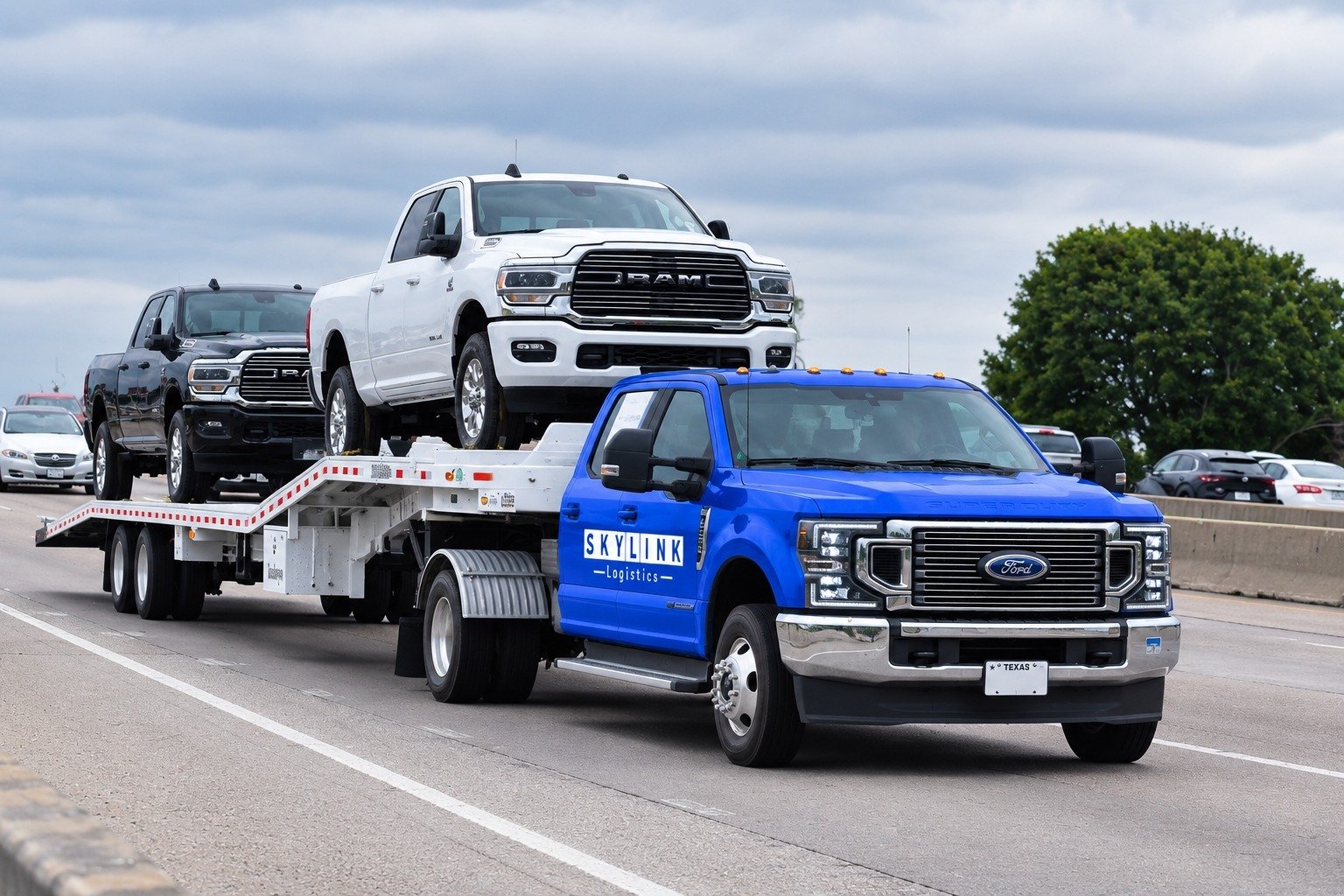
The flatbed hotshot weight limit depends on your specific equipment combination. Common setups include heavy-duty pickup truck, gooseneck flatbed trailer, bumper pull trailer, and equipment trailer.
A typical non-CDL hotshot setup may carry several thousand pounds of freight, but the exact capacity depends on truck rating, trailer rating, axle capacity, and cargo weight. For example, a heavy-duty pickup with a properly rated gooseneck trailer may handle more freight than a smaller pickup with a lighter trailer.
Understanding payload prevents overweight situations. Payload capacity equals GVWR minus empty vehicle weight. For example, a truck with a 14,000-pound GVWR and 9,000 pounds of operating weight has approximately 5,000 pounds of available payload.
Weight limits directly influence what freight you can accept. A driver with higher legal capacity may access more opportunities, but higher capacity also means higher operating costs, more maintenance, and more equipment investment.
For more freight and business insights, visit Leuzon. For more articles on trucking operations, check out our blog.
Introduction
Hotshot trucking has become a popular option for owner operators who want to enter the freight industry with lower startup costs compared with traditional tractor trailer operations.
However, one of the biggest challenges new hotshot drivers face is understanding weight limits.
Many drivers ask:
"How much weight can I legally haul with a non-CDL hotshot setup?"
The answer depends on several factors, including your truck's GVWR, trailer rating, combined weight rating, and state and federal regulations.
Understanding the correct hotshot weight limit is essential because exceeding legal limits can result in fines, failed inspections, equipment damage, and safety risks.
For flatbed hotshot operators, knowing your true carrying capacity helps you choose profitable loads without putting your business at risk.
This guide explains non-CDL hotshot weight limits, flatbed trailer capacity, weight calculations, and the rules every hotshot driver should understand before accepting freight.
What Is a Hotshot Weight Limit?
A hotshot weight limit is the maximum amount of weight a hotshot truck and trailer combination can legally transport based on vehicle ratings, regulations, and safety requirements.
The actual limit is not determined only by the trailer size.
Drivers must consider:
- Truck GVWR
- Trailer GVWR
- Gross Combined Weight Rating (GCWR)
- Axle ratings
- Cargo weight
- Equipment weight
A truck may physically pull a heavy trailer, but that does not mean the setup is legally rated to carry that weight.
Non-CDL Hotshot Weight Limits Explained
Many hotshot drivers operate non-CDL setups because they allow entry into the industry without obtaining a commercial driver's license.
However, non-CDL does not mean there are no weight restrictions.
Generally, a non-CDL hotshot setup must stay within specific weight thresholds based on federal and state rules.
The most common consideration is the 26,000-pound CDL threshold.
If the combined rating of the truck and trailer exceeds certain limits, a CDL may be required.
Drivers must always check:
- Vehicle manufacturer ratings
- State regulations
- Federal requirements
- DOT compliance rules
Understanding GVWR and GCWR for Hotshot Trucks
To understand weight limits, drivers need to know the basic ratings.
GVWR (Gross Vehicle Weight Rating)
GVWR is the maximum safe weight of a single vehicle including:
- Vehicle weight
- Passengers
- Fuel
- Equipment
- Cargo
Example:
A pickup truck with a 14,000-pound GVWR cannot legally operate above that rating even if the engine can physically handle more weight.
Trailer GVWR
Trailer GVWR represents the maximum weight the trailer is designed to carry.
It includes:
- Trailer weight
- Cargo weight
Example:
A 14,000-pound trailer with an empty weight of 4,000 pounds has approximately 10,000 pounds available for cargo.
GCWR (Gross Combined Weight Rating)
GCWR is the maximum combined weight of:
- Truck
- Trailer
- Cargo
- Passengers
- Equipment
This number is extremely important for hotshot operations.
A truck and trailer combination may have separate ratings, but the combined weight must remain within limits.
Flatbed Hotshot Weight Limit: How Much Can You Haul?
The flatbed hotshot weight limit depends on your specific equipment combination.
Common setups include:
- Heavy-duty pickup truck
- Gooseneck flatbed trailer
- Bumper pull trailer
- Equipment trailer
A typical non-CDL hotshot setup may carry several thousand pounds of freight, but the exact capacity depends on:
- Truck rating
- Trailer rating
- Axle capacity
- Cargo weight
For example:
A heavy-duty pickup with a properly rated gooseneck trailer may handle more freight than a smaller pickup with a lighter trailer.
The equipment determines the legal limit.
Flatbed Hotshot Max Weight Factors
Many new operators focus only on trailer capacity.
However, several factors determine your actual flatbed hotshot max weight.
1. Truck Capability
Your truck must safely handle:
- Tongue weight
- Pin weight
- Trailer load
Common hotshot trucks include:
- Heavy-duty pickup models
- Dually trucks
- Commercial pickup configurations
2. Trailer Rating
A trailer may be built for heavy freight, but the truck pulling it must also support the weight.
Important trailer specifications include:
- GVWR
- Axle rating
- Deck capacity
- Brake system
3. Cargo Distribution
Weight placement matters.
Incorrect loading can affect:
- Steering control
- Braking performance
- Tire pressure
- Vehicle stability
A legal weight can still become unsafe if it is distributed incorrectly.
Common Non-CDL Hotshot Truck and Trailer Setups
3/4 Ton Pickup Setup
Often used for lighter hotshot work.
Suitable for:
- Smaller equipment
- Light freight
- Local deliveries
One-Ton Dually Setup
A popular choice among hotshot operators.
Advantages:
- Better stability
- Higher payload capability
- Improved towing performance
Gooseneck Flatbed Trailer Setup
Common for:
- Construction equipment
- Machinery
- Industrial loads
Benefits:
- Better weight distribution
- More control
- Higher capacity options
How to Calculate Your Hotshot Payload Capacity
Understanding payload prevents overweight situations.
Use this basic calculation:
Payload Capacity = GVWR – Empty Vehicle Weight
Example:
- Truck GVWR: 14,000 lbs
- Truck weight with fuel and equipment: 9,000 lbs
- Available payload: 5,000 lbs
Remember:
The trailer and cargo combination must also stay within the overall GCWR.
Why Hotshot Drivers Must Understand Weight Before Booking Loads
Choosing the wrong load can create serious problems.
A load that pays well may not be suitable for your equipment.
Before accepting freight, check:
- Total cargo weight
- Dimensions
- Loading method
- Trailer requirements
- Legal restrictions
Professional dispatchers consider equipment limitations before booking loads.
How Dispatchers Help Hotshot Drivers Find Legal Loads
A knowledgeable dispatcher does more than search for freight.
They evaluate:
- Equipment type
- Weight requirements
- Route restrictions
- Customer expectations
For example:
A dispatcher should not send a non-CDL hotshot driver a load requiring equipment beyond the truck's legal capacity.
Proper load matching protects:
- Driver safety
- Equipment
- Business reputation
Common Hotshot Weight Mistakes Drivers Make
Assuming Trailer Capacity Equals Legal Capacity
A trailer rating does not automatically mean your truck can legally haul that amount.
Ignoring Truck Ratings
Some drivers overload because the truck appears capable.
Always follow manufacturer ratings.
Forgetting Added Equipment Weight
Accessories add weight, including:
- Toolboxes
- Chains
- Tarps
- Fuel tanks
- Spare equipment
Accepting Freight Without Checking Weight
Always verify load details before pickup.
Failing to Consider State Differences
Weight enforcement can vary by state.
Drivers operating across state lines should understand applicable regulations.
How Weight Limits Affect Hotshot Profitability
Weight limits directly influence what freight you can accept.
A driver with higher legal capacity may access more opportunities, but higher capacity also means:
- Higher operating costs
- More maintenance
- More equipment investment
The goal is not simply hauling the heaviest load.
The goal is hauling profitable freight safely and legally.
Tips for Staying Within Hotshot Weight Limits
Know Your Equipment Ratings
Keep records of:
- Truck GVWR
- Trailer GVWR
- GCWR
- Axle ratings
Weigh Your Setup
Use certified scales to confirm actual operating weight.
Maintain Your Equipment
Regularly inspect:
- Tires
- Brakes
- Suspension
- Trailer components
Work With Experienced Freight Support
A dispatcher familiar with hotshot operations can help identify loads that match your equipment.
Is Non-CDL Hotshot Trucking Worth It?
Non-CDL hotshot trucking can be a good opportunity for owner operators who understand equipment limitations and operate professionally.
Success depends on:
- Choosing the right truck
- Understanding weight rules
- Finding profitable freight
- Managing costs
- Staying compliant
Weight knowledge is not just about avoiding tickets.
It is about protecting your business.
For more freight and business insights, visit Leuzon.
For more articles on trucking operations, check out our blog.
Frequently Asked Questions
Not sure your hotshot setup can legally haul a load?
Our dispatchers understand hotshot equipment and weight rules. Let us help you find freight that matches your truck's legal capacity — safely and profitably.
(346) 214-5292 | dispatch@skylinkusa.com